
What Is Fertility Preservation and Who Benefits

Balancing dreams for career, love, and personal growth can make timing motherhood feel stressful. For women under 40 with a good ovarian reserve, egg freezing is a powerful way to take control of your future—protecting your chance for biological children, even when life takes unexpected turns. Fertility preservation means storing your healthiest eggs now, removing the pressure of the ticking biological clock. Understanding real benefits and myths around egg freezing gives you clarity as you explore faster, more affordable family building options.
Table of Contents
Key Takeaways
Point | Details |
Fertility Preservation Options | Egg freezing, embryo freezing, sperm freezing, and ovarian tissue freezing each have unique benefits and limitations tailored to individual situations. |
Importance of Timing | Success rates for fertility preservation are significantly based on age at the time of freezing, making early action crucial for optimal outcomes. |
AI Technology Benefits | AI technology enhances embryo and sperm evaluations, improving selection accuracy and reducing the time to treatment, thus increasing success rates. |
Cost and Risks | Fertility preservation can be expensive, and understanding the associated costs, success rates, and risks is essential for informed decision-making. |
Fertility Preservation Defined and Common Myths
Fertility preservation is the process of freezing and storing your eggs, embryos, sperm, or reproductive tissue to protect your ability to have biological children in the future. What once sounded like pure science fiction has become a practical, well-established medical option. Whether you’re facing cancer treatment, want to delay motherhood, or have other personal reasons, fertility preservation gives you control over your reproductive timeline.
The most common approach for women under 40 is egg freezing, which captures your eggs at their current quality and stores them indefinitely. This matters because your egg quality doesn’t improve with time, only declines. By preserving eggs now, you’re essentially securing your fertility at your current age, removing the pressure of a biological clock ticking away while you build your career, find the right partner, or simply become ready for parenthood.
One major myth is that cancer treatments don’t affect fertility. The reality is stark: chemotherapy and radiation can seriously damage your ovarian reserve or make you infertile altogether. This is why fertility preservation is a critical conversation before starting cancer treatment. Another widespread misconception is that your fertility window is longer than it actually is. Many women overestimate how long they can wait, not realizing that fertility decline accelerates significantly after age 35.
Another false belief is that freezing eggs guarantees pregnancy later. Success rates depend on your age at freezing, egg quality, and embryo health. A woman who freezes eggs at 32 has better success rates than one who freezes at 38, even if she uses them at the same age. This is why age matters at preservation time, not just at thaw time.
Some women also worry that freezing damages eggs or that stored eggs “go bad.” Properly frozen eggs remain viable for years without degradation. The freezing process itself, when done correctly, doesn’t reduce your chances of success compared to fresh eggs.
Understanding what fertility preservation actually is and what it isn’t helps you make informed decisions. The choice isn’t about rushing into motherhood or accepting that you must wait forever. It’s about expanding your options and removing artificial pressure from one of life’s biggest decisions.
Pro tip: If you’re considering egg freezing, get your ovarian reserve tested (AMH levels and follicle count) before your first consultation to understand your baseline and ensure you move forward with accurate information about your fertility.
Available Methods: Egg, Embryo, and Sperm Freezing
Fertility preservation isn’t one-size-fits-all. You have several options, each with different timelines, success rates, and practical considerations. Understanding what each method offers helps you choose the right path for your situation and goals.
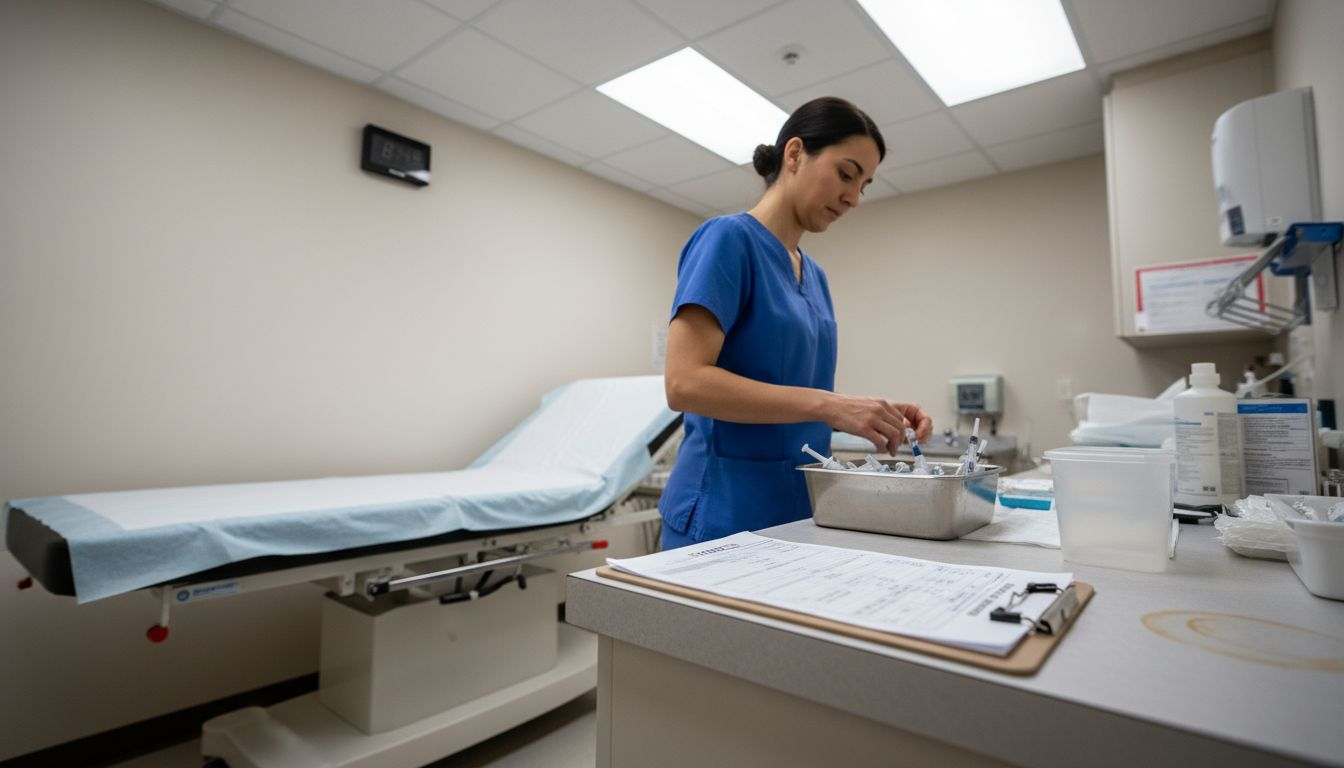
Egg freezing is the most common choice for women under 40 who want to preserve fertility independently. The process starts with ovarian stimulation, where you take hormones for about 10 to 14 days to develop multiple eggs. Your doctor monitors your follicles through ultrasounds, then retrieves the mature eggs through a minor procedure. The eggs are then frozen using vitrification technology, a rapid freezing method that prevents ice crystal formation and preserves egg quality. You don’t need a partner or sperm donor to freeze eggs, making this ideal if you’re single or want to wait before committing to fertilization.
Embryo freezing happens after fertilization, giving you a step ahead in the IVF process. If you have a partner or use donor sperm, fertilizing your eggs before freezing can increase success rates compared to frozen eggs alone. The catch is that you’re committing to creating embryos now, which some people find emotionally complex. Embryo freezing is the most established fertility preservation method and often shows higher implantation rates when used later.
For men, sperm freezing is straightforward and simple. Sperm can be collected and frozen before any cancer treatment or medical procedure that risks infertility. Frozen sperm remains viable for decades and doesn’t degrade like eggs do over time. If you’re a man facing gonadotoxic treatments, this should be your first conversation with your fertility clinic.
Ovarian tissue freezing is an emerging option for women who cannot delay cancer treatment long enough for egg or embryo freezing. Your surgeon removes a portion of ovarian tissue, freezes it, and can transplant it back later to restore fertility or hormone production.
Each method has different timelines, costs, and success profiles. Your age, urgency, relationship status, and personal values all factor into which option makes sense for you.
Here’s a quick comparison of fertility preservation methods and whom they best serve:
Method | Best Suited For | Preparation Time | Long-Term Success Impact |
Egg Freezing | Women under 40, single or waiting | 10-14 days of stimulation | Preserves youthful egg quality |
Embryo Freezing | Couples ready to fertilize | Similar to egg freezing | Highest live birth rates |
Sperm Freezing | Men before treatment or surgery | Immediate, same-day | Viable for decades |
Ovarian Tissue Freezing | Women needing urgent cancer care | Surgical removal, very fast | Restores function, experimental |
Pro tip: If you’re considering multiple methods, discuss freeze-all cycles with your clinic—this lets you freeze both eggs and embryos simultaneously, maximizing your preservation options without multiple stimulation rounds.
How AI Technology Improves Fertility Outcomes
Traditional fertility clinics rely heavily on human judgment to assess eggs, sperm, and embryos. A specialist looks under a microscope, makes a call based on experience, and hopes their assessment is accurate. But human eyes tire, subjective bias creeps in, and critical details get missed. AI changes this equation entirely.
Embryo assessment is where AI makes the most dramatic difference. Instead of a single embryologist spending seconds evaluating each embryo, AI systems analyze time-lapse imagery to track development patterns frame by frame. These algorithms can predict chromosomal normalcy without invasive testing, meaning you get better embryo selection without additional procedures. The result is more accurate predictions of which embryos will actually develop into healthy pregnancies, reducing failed transfers and wasted cycles.
For male fertility, AI-powered semen analysis automates and refines sperm quality assessment far beyond what manual counting can achieve. AI algorithms identify healthy sperm with greater precision and predict which samples have the best chance of fertilizing an egg. This personalization matters enormously when you’re deciding between fresh sperm, frozen sperm, or donor options.
Speed is another hidden benefit. At Aurea Fertility, AI protocols reduce treatment timelines from months to approximately two weeks by eliminating unnecessary tests and streamlining decision making. You’re not waiting for multiple consultations or redundant evaluations. The AI has already analyzed your data and flagged what’s relevant.
AI also adapts to you specifically. Instead of a one-size-fits-all protocol, the system considers your age, ovarian reserve, medical history, and previous treatment responses to create a personalized plan. This tailored approach increases success rates while reducing the emotional and financial toll of trial and error cycles.
The technology is objective, consistent, and tireless. It doesn’t have bad days. It processes thousands of data points simultaneously, catching patterns human eyes would miss.
Pro tip: When choosing a clinic, ask specifically whether they use AI-assisted embryo grading and how their AI system is validated—not all AI in fertility is equal, and transparency about their technology matters for your outcomes.
Eligibility, Success Rates, and Typical Timelines
Not everyone needs fertility preservation, but if you’re facing circumstances that threaten your reproductive future, you likely qualify. Eligibility is broader than most people realize.
You’re a good candidate if you’re about to undergo cancer treatment, specifically chemotherapy, radiation, or surgery affecting your reproductive organs. Clinical practice guidelines recommend fertility preservation for patients at risk of treatment-related infertility across all ages and treatment stages. But cancer isn’t the only reason. If you’re delaying motherhood for career, education, or personal reasons, and you want to lock in your current fertility window, you qualify. Your age matters less than your ovarian reserve. Women under 40 with good egg supply are ideal candidates because your eggs are healthier and more likely to result in viable embryos later.
Success rates vary dramatically based on your age at freezing, not your age at use. A woman who freezes eggs at 32 has significantly higher live birth rates than one who freezes at 39, even if both use their eggs at age 42. This is the critical insight that changes everything about timing. Live birth rates using frozen eggs depend heavily on the age when eggs are preserved, making earlier preservation exponentially more valuable.
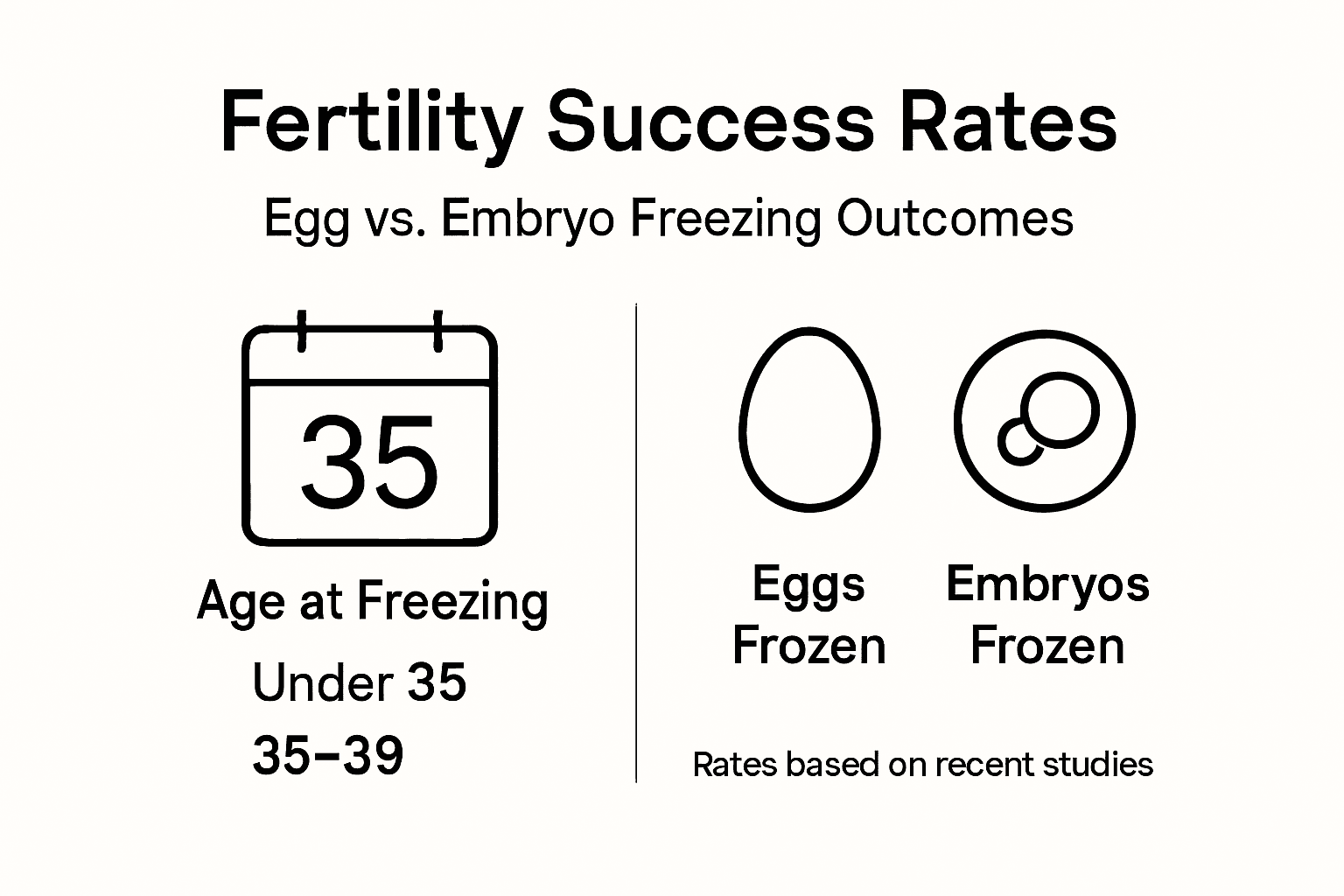
Embryo freezing shows even higher success rates than egg freezing, especially when multiple embryos are available. The trade-off is commitment to fertilization now rather than later.
Timelines move fast. Ovarian stimulation takes 10 to 14 days, egg retrieval happens on day 14, and freezing occurs immediately after. The entire process from start to frozen storage typically takes 2 to 3 weeks. At Aurea Fertility, AI protocols compress this further by eliminating redundant testing and accelerating decision-making. Cancer patients benefit tremendously because fertility preservation can begin and complete before chemotherapy starts, preventing treatment delays.
The bottom line: if you’re under 40 with reasonable ovarian reserve facing any fertility threat, you’re eligible. The sooner you preserve, the better your future outcomes.
Pro tip: Get your baseline fertility testing done now, even if you’re not ready to freeze immediately—knowing your AMH level and follicle count lets you make preservation decisions based on facts, not fear, and helps you understand your true window.
Risks, Costs, and Limitations Explained
Fertility preservation sounds perfect until you see the price tag. Let’s talk honestly about what this option actually costs and what it doesn’t guarantee.
Cost is the biggest barrier. Egg freezing typically runs between $10,000 and $15,000 for a single cycle, not including storage fees (usually $500 to $1,200 annually). Embryo freezing costs similar amounts upfront but offers higher success rates. Sperm freezing is cheaper, around $1,000 to $2,000 initially. Cost remains the leading obstacle preventing access to fertility care, especially for people without insurance coverage. Many women need multiple cycles to accumulate enough eggs, multiplying costs quickly. Financial stress compounds the emotional weight of fertility treatment, and not everyone can absorb these expenses.
Medical risks exist but are manageable. Ovarian hyperstimulation syndrome (OHSS) can occur when your ovaries overreact to hormones, causing abdominal pain and nausea. Serious cases are rare. Egg retrieval involves minor surgery with small risks of infection or bleeding. These complications happen in less than 1 percent of cases when performed by experienced clinicians.
Success isn’t guaranteed. Uncertain success rates depend on numerous factors including egg quality, your age at freezing, and embryo health. Freezing doesn’t improve your eggs—it simply preserves them at their current quality. If your eggs have chromosomal issues now, freezing won’t fix that problem.
Time constraints matter too. If you’re facing cancer treatment starting in two weeks, you may not have time for egg freezing. This limitation is heartbreaking but real. Some women must choose between fertility preservation and beginning necessary medical care immediately.
Psychological burden is real. The hormonal injections, clinic visits, waiting for results, and potential failures take an emotional toll. Many women experience anxiety, depression, or grief throughout the process.
To clarify actual cost, risks, and guarantees, here is a summary overview:
Aspect | Typical Range or Status | Key Limitation | What Patients Should Know |
Upfront Cost | $10,000–$15,000 (eggs/embryos) | Multiple cycles may be needed | Insurance rarely covers procedure |
Storage Fees | $500–$1,200 per year | Ongoing requirement | Ask clinics about storage discounts |
Medical Risk | Less than 1% serious events | Minor surgery and hormones | OHSS is rare with monitoring |
Success Rate | Age and egg quality dependent | Never guaranteed | Earlier freezing improves outcome |
Pro tip: Compare clinic pricing and ask about package deals or shared-risk programs that might reduce costs—some clinics offer discounts for multiple cycles, and Aurea Fertility’s AI-driven approach often reduces unnecessary testing, lowering overall expenses while improving outcomes.
Comparing Fertility Preservation to Other Options
Fertility preservation isn’t your only option, but it’s fundamentally different from everything else available. Understanding how it compares helps you make the right choice for your situation.
Fertility preservation versus waiting and hoping. Many women delay family planning, assuming they’ll “just do IVF” if needed later. The problem is IVF treats infertility after it already exists. If your ovaries have declined significantly by age 42, no amount of IVF technology can fix eggs that are already aging. Preservation is proactive. You’re banking healthy eggs now, before time or treatment damages them. This distinction matters enormously.
Fertility preservation versus fertility-sparing surgery. Some women facing gynecological cancers can preserve their uterus or ovaries through surgery instead of removing them entirely. This is excellent when possible, but it’s not always an option depending on cancer type and location. Fertility-sparing surgeries remain limited compared to standard preservation methods like egg freezing, which offer more consistent documented success rates.
Fertility preservation versus ovarian suppression. During cancer treatment, some clinics use hormones to temporarily shut down your ovaries, theoretically protecting them from chemotherapy damage. The evidence supporting this approach is mixed and still experimental. Established methods like egg and embryo freezing have better-documented outcomes than ovarian suppression, making them more reliable choices.
Fertility preservation versus adoption or child-free living. These aren’t fertility treatments at all, but they’re legitimate alternatives if biological children aren’t essential to your future happiness. Adoption can be equally fulfilling. Some women discover they don’t actually want children. Both paths are valid and deserve serious consideration alongside preservation.
The timing advantage. Unlike IVF, which addresses infertility after it develops, preservation lets you act before problems occur. You control the timeline. You choose your age, your egg quality, your readiness. This control is powerful.
Your choice depends on your diagnosis, urgency, relationship status, and values. But if protecting your future fertility matters to you, preservation gives you options that waiting simply cannot provide.
Pro tip: When comparing options, ask your clinician specifically about success rates with frozen eggs versus fresh eggs at your age—this concrete data removes guesswork and lets you compare preservation to other paths based on actual probability, not emotion.
Take Control of Your Future Fertility with Advanced AI Solutions
Fertility preservation offers a vital chance to protect your ability to have biological children amid the challenges of aging, cancer treatments, or life plans. Understanding key factors like egg quality, ovarian reserve, and the importance of early action can feel overwhelming. At Aurea Fertility, we recognize these concerns and leverage cutting-edge artificial intelligence to enhance embryo assessment, streamline egg freezing, and personalize your treatment plan. Our AI-driven approach reduces treatment time to about two weeks, minimizes unnecessary tests, and improves success rates, addressing common pain points such as cost, emotional stress, and uncertainty.
If you want to secure your fertility with a faster, more affordable, and highly personalized path, explore how our technology and dedicated support team can guide you. Learn more about our innovative process at Aurea Fertility and discover the benefits of AI-assisted embryo grading alongside expert fertility preservation services. Don’t wait for the biological clock to decide your future. Act now to schedule a consultation and take the first step toward preserving your fertility on your own terms.
Frequently Asked Questions
What is fertility preservation?
Fertility preservation is the process of freezing and storing eggs, embryos, sperm, or reproductive tissue, allowing individuals to protect their ability to have biological children in the future.
Who benefits from fertility preservation?
Fertility preservation benefits a variety of individuals, including those facing cancer treatment, women who want to delay motherhood, and anyone concerned about age-related fertility decline.
What is the most common method of fertility preservation for women?
The most common method for women under 40 is egg freezing, which involves ovarian stimulation, egg retrieval, and freezing to secure fertility at the current age.
Can freezing eggs guarantee a future pregnancy?
No, freezing eggs does not guarantee pregnancy. Success rates depend on several factors including the age at which the eggs were frozen, the quality of the eggs, and the health of the embryos created later.
Recommended


Comments